
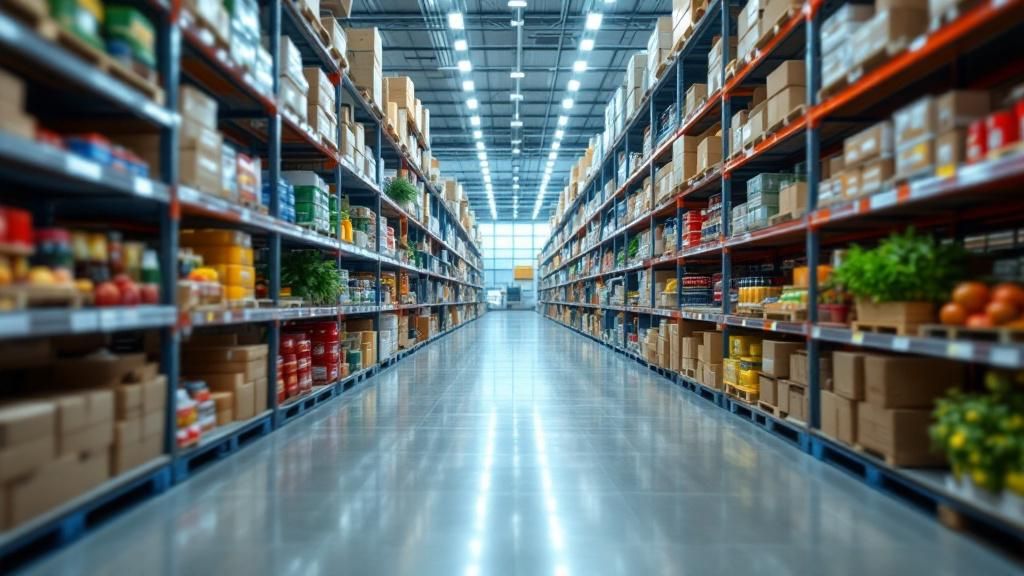
In an era where sustainability concerns and cost effectiveness intersect, leading retail operators across the UK and Europe are transforming their operations through innovative green programmes. Rather than viewing eco-conscious practices as a financial drain, progressive business leaders are finding that modern environmental solutions—from renewable energy adoption to waste management initiatives—significantly reduce operating expenses whilst also improving brand reputation. This article investigates how major retail businesses are utilising sustainable practices to attain substantial expense reductions, establishing fresh benchmarks and demonstrating that profitability and sustainability commitment need not be mutually exclusive.
Energy Efficiency and Renewable Integration
Retail chains operating in the United Kingdom have recognised that energy consumption constitutes one of their most significant operating costs. By introducing extensive efficiency improvements and transitioning towards renewable energy sources, major retailers are realising substantial cost reductions whilst decreasing their carbon footprint. This strategic shift encompasses everything from upgrading facilities and systems to investing in solar panels and wind energy partnerships, illustrating that sustainability and profitability are fundamentally connected in current retail business models.
The incorporation of renewable energy into retail operations has increased rapidly over the past few years, motivated by both ecological awareness and the falling prices of solar and wind technology. Major supermarket operators and large retail outlets are now producing significant amounts of their electricity from sustainable energy, either through on-site installations or long-term power purchase agreements with sustainable energy companies. This transition not only decreases dependence on fluctuating fuel markets but also provides retailers with enhanced price certainty and consistency for financial planning.
Beyond renewable energy implementation, retailers are dedicating significant funding towards building fabric upgrades, including enhanced insulation, advanced window systems, and advanced heating and cooling systems. These structural improvements, despite requiring preliminary financial outlay, produce quick payback through decreased energy expenses and better customer satisfaction. Furthermore, many UK retailers are taking advantage of government incentives and grants designed to encourage sustainable business practices, rendering these investments more accessible to businesses of varying scales.
Light-emitting Diode Systems and Intelligent Control Systems
LED technology has reshaped retail lighting, offering reductions in energy consumption of up to eighty percent compared to traditional incandescent and fluorescent systems. Large retail operators have progressively upgraded outdated lighting infrastructure with LED systems throughout their outlets, storage facilities, and distribution hubs. The longer operational life of LED bulbs significantly reduces upkeep expenses and staffing needs, whilst simultaneously upgrading lighting quality and creating more appealing shopping environments that enhance customer satisfaction and sales performance.
Smart lighting control systems represent the next evolution in retail energy management, leveraging sensors, timers, and artificial intelligence to enhance illumination based on foot traffic, natural daylight availability, and time of day. These intelligent systems continuously regulate lighting levels in live operation, reducing unnecessary energy consumption whilst ensuring optimal visibility for both customers and staff. Integration with building management systems enables retailers to monitor energy usage patterns, identify inefficiencies, and implement targeted improvements across their entire estate.
- LED bulbs use 80% reduced energy consumption than conventional lighting solutions.
- Smart sensors automatically adjust brightness based on space usage.
- Daylight harvesting systems minimise artificial lighting during daylight hours.
- Reduced maintenance costs resulting from extended LED bulb lifespan and durability.
- Enhanced customer experience through superior light output and ambiance.
Supply Chain Optimisation and Waste Reduction
Modern retail chains are fundamentally restructuring their logistics networks to remove operational bottlenecks and reduce wastage at every stage. By adopting cutting-edge logistics technology and instantaneous inventory control systems, retailers can reliably project sales requirements, prevent overstocking issues, and reduce redundant shipping. These digital improvements not only enhance efficiency but markedly lower fuel consumption and associated carbon emissions. Furthermore, refined distribution networks minimise goods deterioration and damage throughout shipping, immediately resulting in improved bottom-line performance whilst simultaneously reducing environmental impact.
Packaging constitutes a substantial element of shopping waste, encouraging progressive retail businesses to revolutionise their approach to product safeguarding and display. Many leading chains now employ biodegradable, recyclable, and minimalist packaging solutions that significantly decrease material expenditure whilst appealing to eco-aware shoppers. By partnering with manufacturers to align package sizes, retailers realise greater inventory storage and transportation logistics. These strategic modifications deliver significant financial benefits through decreased packaging spending, reduced storage needs, and reduced waste charges, demonstrating that ecological practices and expense reduction are fundamentally connected.
Waste reduction programmes move past packaging into comprehensive recycling and repurposing initiatives across retail settings. Retailers are establishing circular systems where items returned by customers, defective stock, and excess goods are reconditioned, resupplied, or properly recycled rather than thrown away. These programmes create additional revenue streams through secondary markets whilst reducing waste sent to landfill. Employee training and involvement in waste prevention programmes build a commitment to sustainability, improving staff morale and loyalty whilst also lowering running costs associated with waste disposal and management.
Circular Economic Initiatives
Circular economy frameworks are revolutionising how retailers approach product lifecycles and resource use. Rather than the standard “take-make-dispose” model, innovative retail businesses are adopting circular systems where items are engineered for long-term use, repairability, and eventual reuse. Extended producer responsibility programmes encourage customers to return worn items for repair or correct disposal, building sustainable business models. These programmes reduce demand for virgin raw materials, reduce manufacturing expenses through material reclamation, and foster customer loyalty through clear sustainability dedication and transparent sustainability reporting.
Leading retailers are implementing take-back schemes and refurbishment centres that extend product lifecycles whilst unlocking residual value. Customers bringing back pre-owned apparel, tech products, or domestic goods receive benefits like rebate coupons or member benefits, promoting customer involvement and ongoing interaction. Refurbished products are returned to stock at lower price levels, capturing price-sensitive market segments and improving financial returns. This circular approach simultaneously reduces procurement expenses for new inventory, lowers environmental management spending, and strengthens competitive positioning in an fiercely competitive retail landscape where green credentials meaningfully impact consumer purchasing decisions.
Customer Engagement and Brand Value
Retailers introducing environmental initiatives have identified a significant driver for shopper participation and customer retention. Consumers increasingly prefer purchasing from sustainability-focused companies, making environmental commitments a significant competitive advantage. By transparently communicating their sustainability achievements—whether through sustainable packaging solutions, low-carbon shipping methods, or sustainable sourcing—retailers build stronger bonds with customers. This greater customer connection results in more frequent buying, positive word-of-mouth recommendations, and stronger brand reputation, ultimately increasing profitability whilst concurrently decreasing environmental impact.
The relationship between sustainability and brand value has emerged as undeniable in the current marketplace. Retailers championing environmental responsibility draw in socially conscious consumer groups and set themselves apart from competitors. Enhanced brand reputation enables premium pricing opportunities and client loyalty, offsetting starting investments in sustainable infrastructure. Furthermore, industry awards and public recognition of sustainability achievements enhance brand visibility and credibility. These related gains demonstrate that environmental stewardship represents not merely a cost-reduction strategy, but a comprehensive business investment that strengthens brand equity and ensures enduring market relevance in an growing environmentally conscious consumer landscape.
